
On Wednesday night, the Simmons YMCA hosted the Charlotte 2040 Comprehensive Plan Workshop, organized by Charlotte Planning, Design & Development. Simmons YMCA sits at the end of Democracy Drive, an appropriate street name for an institution dedicated to fostering “diverse and dynamic” wellness programs in the Charlotte region.

In recent decades, employers have made a conscious effort to bring diversity into the workplace. They’ve made progress, at least when it comes to gender; today’s entry-level workforce is 46 percent female (Waller). Though the numbers are promising, they don’t reveal the culture gap that remains even in the presence of equal representation. Men and women tend to work, ask questions and supervise differently. The distance between the two communication styles can cause problems in the workplace, especially since the majority of corporate culture is decidedly masculine.
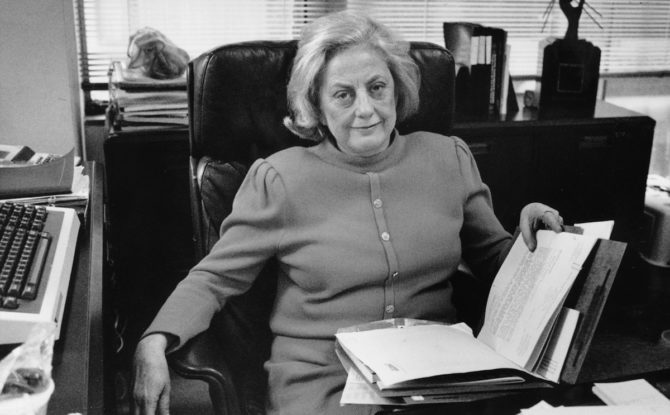
The fight for equal pay and job opportunities for women has been a long one. In the United States, one could argue that it began in the first waves of feminism in the 19th century. Yet, similar battle cries can still be heard today, namely the demand for equal pay and equal representation, especially in managerial and STEM positions. Called “the first woman of finance”, Muriel Siebert was a pioneer for women in the financial industry, a sector that still lags behind academia and medicine in representation. Though she died in 2013, her dedication to her profession and the economic status of women remains relevant in today’s social landscape.
Unknown
“Everybody wants happiness, nobody wants pain, but you can’t have a rainbow without a little rain. “
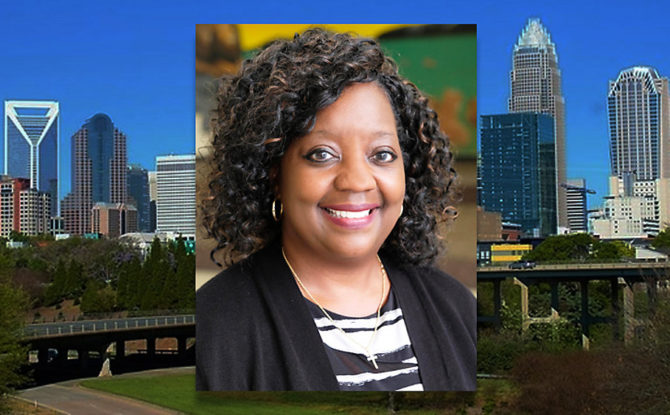
We’ve all heard this aphorism at one point or another. Perhaps it’s so popular because it speaks to the universal truth of balancing the good and the bad. This is the case for West Charlotte High School. In the past, West Charlotte has seen a few rainbows and a lot of rain, but recently, the ratio has evened. Dr. Timisha Barnes-Jones is one of the forces behind this school’s blooming rainbow.
Breweries, expensive housing, coffee shops, and galleries— all signs point to gentrification in the low-income communities that surround uptown. Much has already been said about the changing faces of Cherry, Optimist Park, and Washington Heights. Soon Druid Hills will join the ranks of the gentrified. Druid Hills is a small, quaint neighborhood with craftsman-style homes, active churches, and a K-8 public school. With its unique identity in mind, Druid Hills hopes to maintain its pride and culture as it’s done in previous hard times.